LPG stands for liquefied petroleum gas. It is a flammable gas that becomes a liquid under modest pressure, so a lot of energy can be stored in a small space.
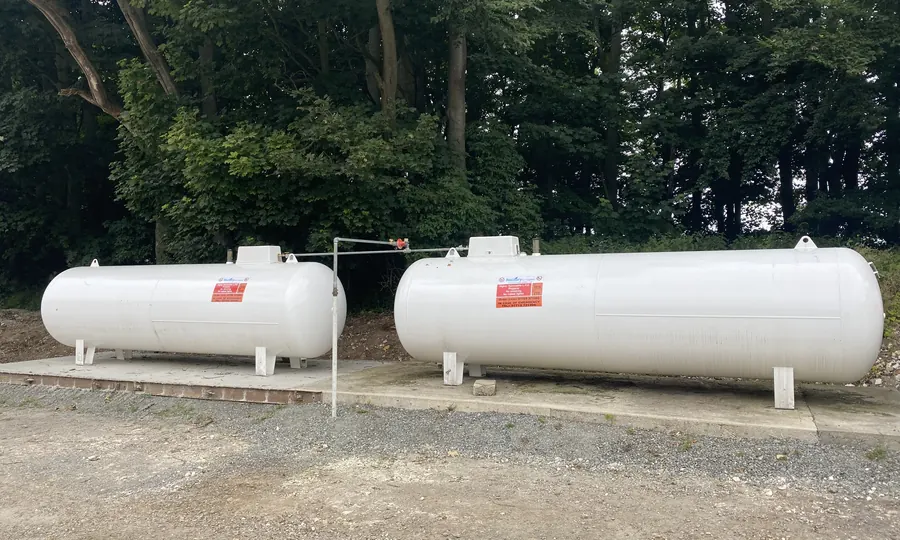
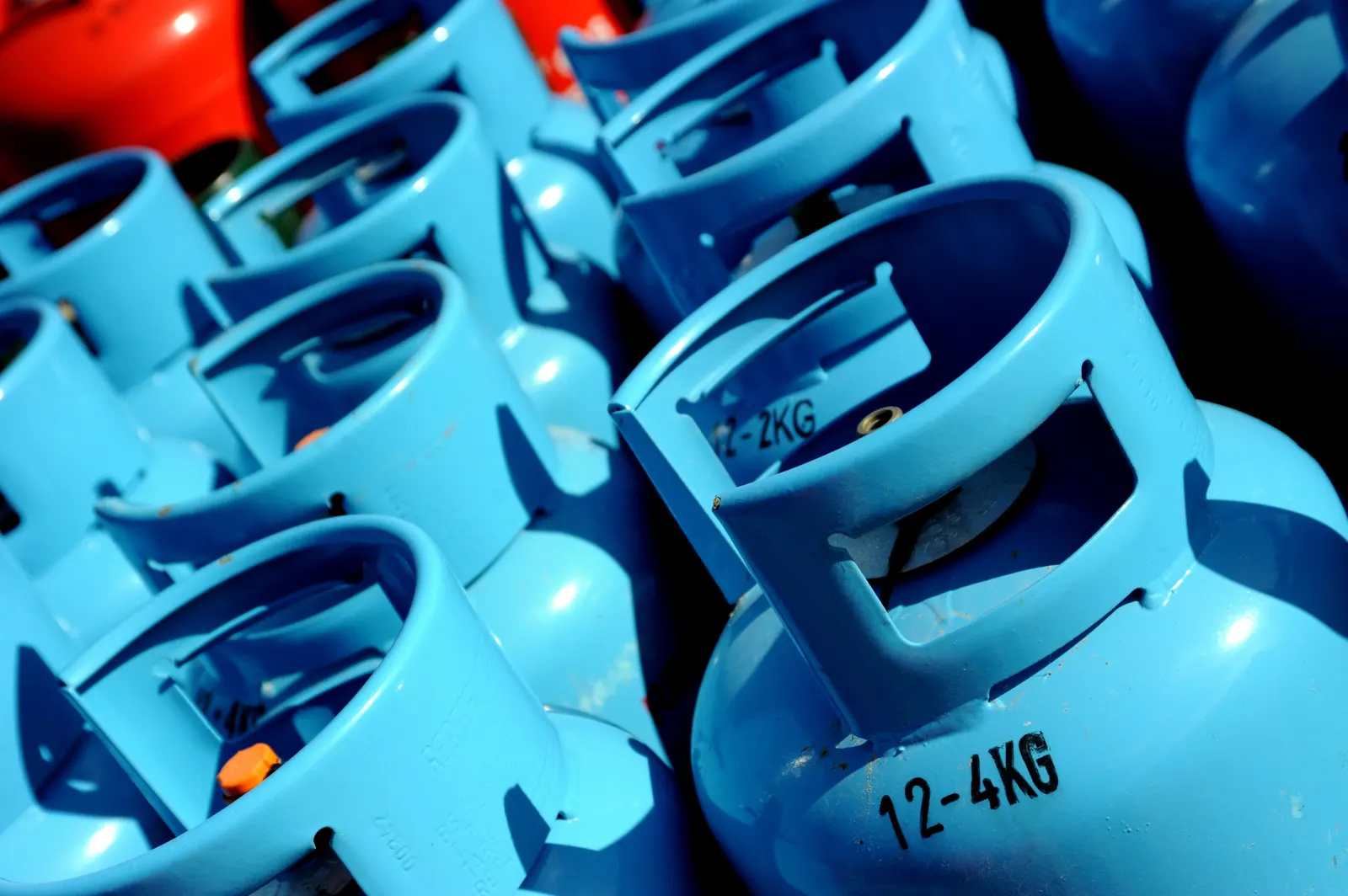
LPG is produced during natural gas extraction and oil refining. Stored as a liquid in a tank or cylinder, it turns back into gas when it is released, ready to burn in heaters, burners, engines and appliances.
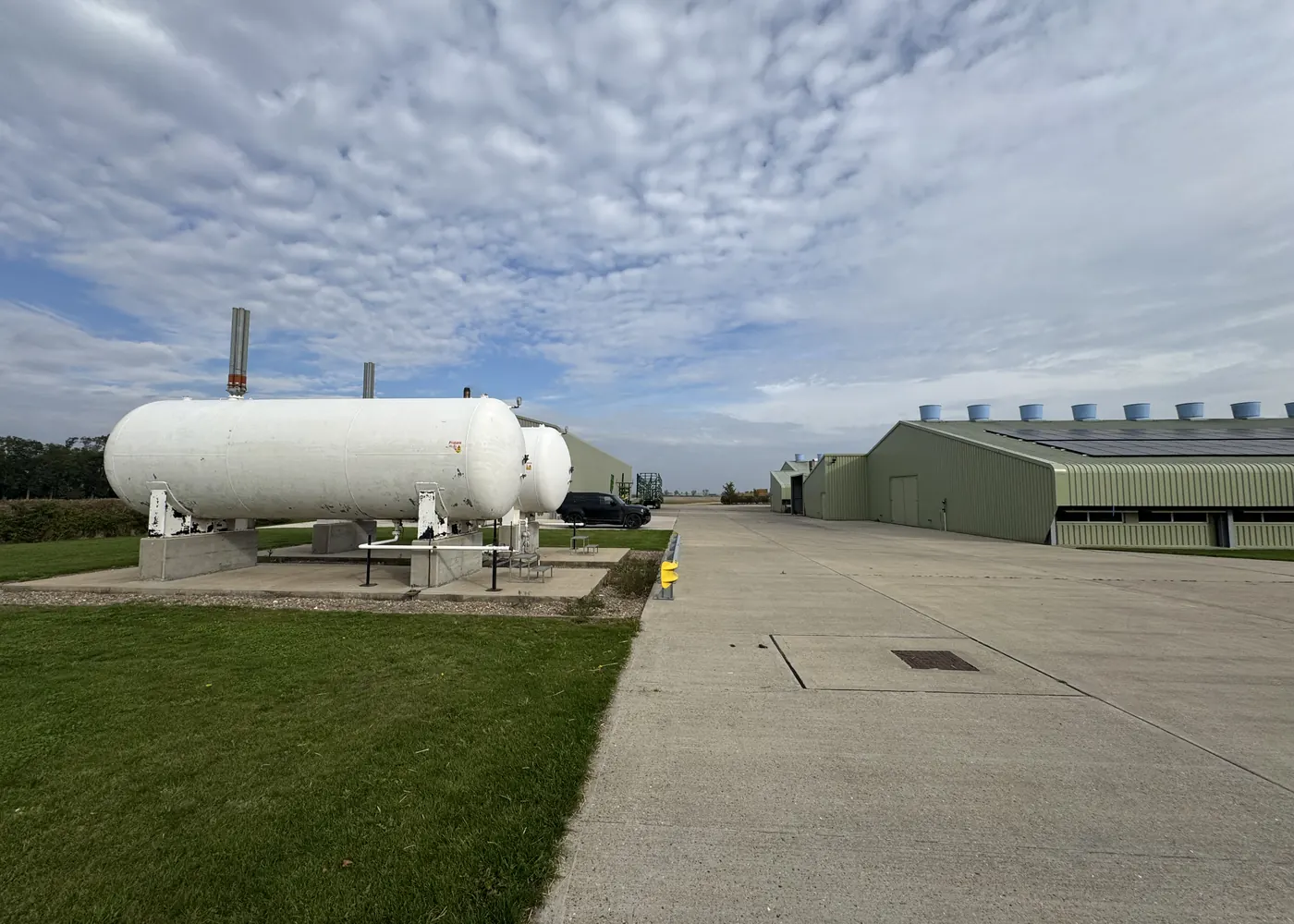
It is especially useful for businesses that aren’t connected to mains gas, because it can be delivered anywhere a tanker or delivery vehicle can reach.
Bulk commercial customers only, with a minimum usage of 20,000 litres per year. We’ll cover the outgoing supplier’s tank uplift fees up to a total value of £1,000, paid as credit on your Rectory Gas Supplies customer account. Terms apply.
Get a quick quote
Find the right LPG supply.
Three quick steps and one of our team will be in touch to talk through your options.
We review your details and check your site postcode.
We give you a call to talk through your usage and site.
We prepare your quote for bulk LPG, cylinders or both.
No. Mains natural gas is mostly methane, delivered by pipe. LPG is propane or butane, stored as a liquid and delivered by tanker or in cylinders. Appliances are set up for one or the other.
Use our quick quote form or call us on 01759 371 305, Monday to Friday 7am to 4pm. Tell us your site postcode, what you use gas for and roughly how much, and we’ll do the rest.