Independent, family-run LPG supplier near York since 1988
What butane is
Butane in plain English.
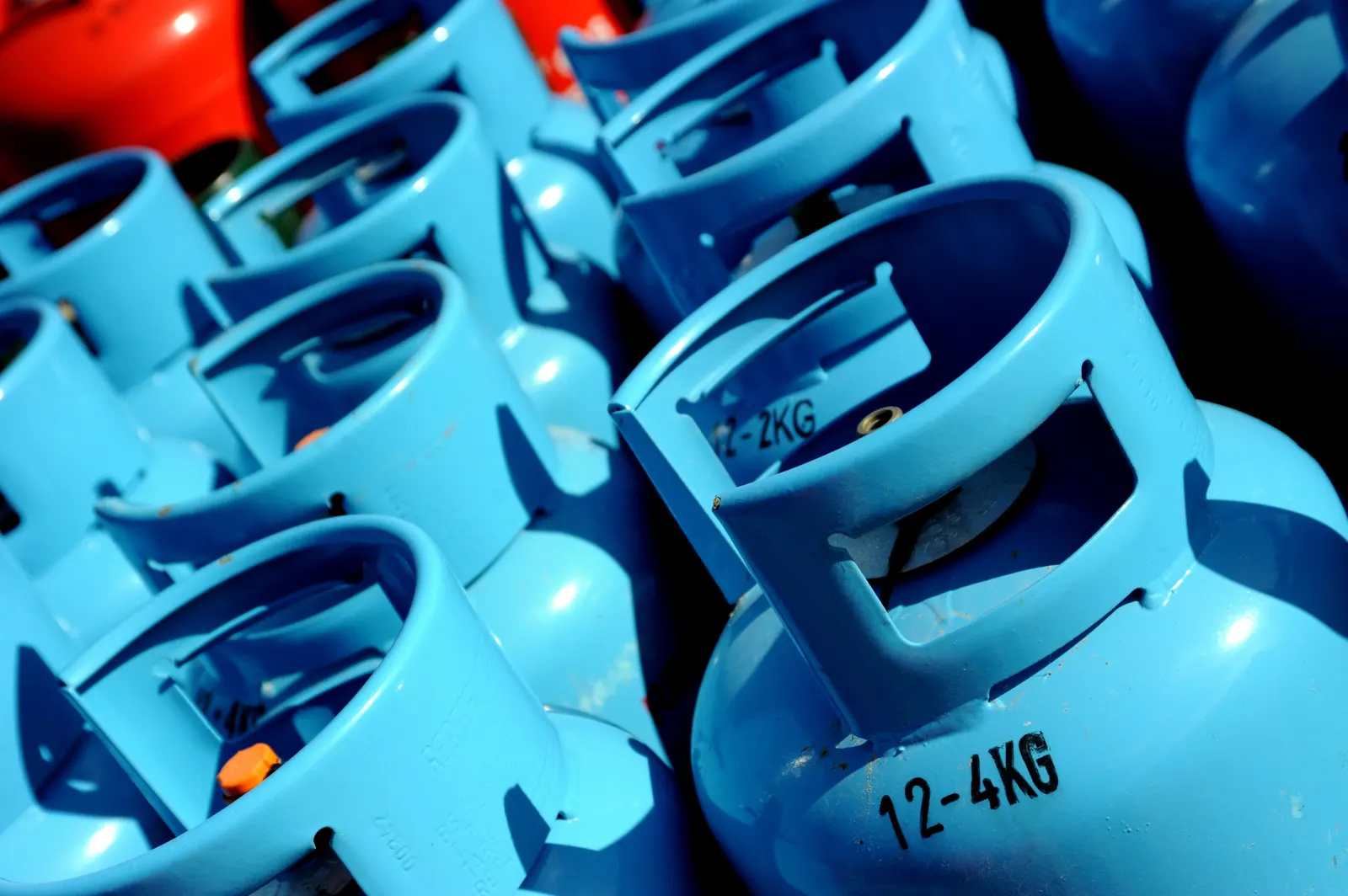
Butane is the other main type of LPG. Like propane, it is stored as a liquid in the cylinder and becomes gas when the valve is opened, but it behaves differently.
Butane boils at around 0°C. Above that it vaporises happily, but as temperatures drop towards freezing the cylinder struggles to give off gas, and appliances can splutter or stop. That is the single most important difference from propane.
Where butane can make sense
- Equipment designed for butane and used indoors, in heated or sheltered spaces
- Portable cabinet heaters in areas that are adequately ventilated
- Some indoor and sheltered catering equipment designed for butane
Where propane is usually the better choice
- Anything used outdoors or in unheated buildings through the winter
- Commercial burners, space heaters and site equipment
- Forklift trucks, which use dedicated propane FLT cylinders
Tell us about the equipment you want to run and we’ll confirm which gas and cylinder will work reliably for you.
Propane vs butane
The differences that matter for business.
| Propane | Butane | |
|---|---|---|
| Boiling point | Around minus 42°C | Around 0°C |
| Cold weather | Works reliably outdoors in winter | Performance drops as temperatures approach freezing |
| Typical use | Commercial catering, space heating, site work, agriculture, forklifts | Indoor and sheltered equipment designed for butane |
| Pressure | Higher pressure, suits commercial burners | Lower pressure |
| Regulator | Propane regulator | Butane regulator (not interchangeable with propane) |
| Storage | Outdoors, upright, ventilated, away from drains | Same principles; never store below ground level |
Equipment must be used with the gas it is designed for. Read what is LPG? for more on the two gases.
Using butane safely
Storage and handling.
Keep cylinders upright
Store and use cylinders upright so only gas, not liquid, reaches the regulator.
Ventilation matters
Use butane appliances only in well-ventilated areas, and never block heater vents.
Nothing below ground
LPG is heavier than air and collects in low spaces, so never keep cylinders in cellars or near drains.
Check hoses and regulators
Look for cracks, wear or damage, and replace parts rather than repair them. More safety advice.
Not sure whether you need propane or butane?
Tell us what you’re running and where. We’ll recommend the gas and cylinder that will work reliably, and quote for delivery.
For commercial customers
Switching your business gas is on us.
We’ll cover your outgoing tank uplift fees with up to £1,000 in account credit.
Account credit
up to£1,000
towards your outgoing supplier's tank uplift fees
Bulk commercial customers only. We’ll cover the outgoing supplier’s tank uplift fees up to a total value of £1,000, paid as credit on your Rectory Gas Supplies customer account. Terms apply.
Get a quick quote
Get the right gas delivered.
Three quick steps and one of our team will be in touch to talk through your options.
- We review your details and check your site postcode.
- We give you a call to talk through your usage and site.
- We prepare your quote for bulk LPG, cylinders or both.
Prefer to talk?
01759 371 305
Monday to Friday 7am to 4pm
- 1What you need
- 2Your supply
- 3Your details
Step 1 of 3: What you need
Butane boils at around 0°C. As the cylinder gets colder it produces less gas, so appliances lose pressure. Keeping butane equipment in a heated or sheltered space, or using propane equipment instead, solves the problem.
No. The gases need different regulators and run at different pressures. Only use the gas the appliance is designed for, and ask a Gas Safe registered engineer about any conversion.
Prices depend on the cylinder, quantity and delivery, so it’s best to compare quotes for the equipment you actually run. The bigger question is reliability: in cold conditions propane is usually the better buy.
Tell us what you need when you request a quote and we’ll confirm the cylinders we can supply for your equipment.
We deliver across most of the east of England from our main depot at Scrayingham, near York, and our other depots. Send us your site postcode with your quote request, or call 01759 371 305, and we’ll confirm whether we can supply you.